

Chalet host jobs are among the most sought-after ways to spend a ski season or gap year. You’re based in the mountains, your accommodation and meals are covered, and you spend your days off on the slopes. It’s no surprise that competition as a chalet host is fierce.
What separates the candidates who get hired from those who don’t, may simply come down to cooking with confidence. Ski companies are taking a significant risk on every person they put in a chalet kitchen. Guests have paid thousands for their holiday. A host who can demonstrate, at interview stage, that they’ve been properly trained to cook and host (and, even better) hold a food hygiene qualification, is a much easier hire than someone who’s a great skier and reckons they’re a decent cook.
But, a ski season cooking course doesn’t have to be a huge investment (in time or money).

What does it take to work a ski season as chef host? Most entry-level chalet chef roles don’t expect a professional chef. They expect someone who can produce a cooked breakfast, afternoon tea, and a three-course dinner every day, cater for dietary requirements, manage a kitchen budget, and stay calm when things go sideways… all whilst being warm and professional with guests who have high expectations. Completing a cooking course for your ski season will help get your application noticed, and make your experience more enjoyable when you land that dream job, especially if you’ve got no prior experience.
According to recruiters Seasonal Workers:
“If you want a job in a ski chalet as a chalet rep your menu planning ability is one of the very first things a prospective employer will investigate. It is also absolutely key to the season going well for you and all your happy clients so best to get it right from the start.”
That’s a specific skill set, and not one that comes naturally from cooking at home. Companies know this. The ones who stand out in interviews are those who can point to real training, a food hygiene certificate, and evidence that they’ve already cooked for and hosted a group under some kind of pressure.
Do I need a ski season cooking course if I can already cook?
Home cooking and chalet cooking are pretty different skills. At home you may be used to making a cooked breakfast for yourself, family and friends. But how about serving it up for 12 guests you have only just met , piping hot and perfectly presented?
You’ll be cooking dinner daily for up to a dozen guests, with dietary requirements, on a budget, while also being the host. The pressure isn’t just culinary, it’s logistical. A ski season cooking course closes the gap between “decent home cook” and “someone a ski company will trust with a £3,000-a-week chalet.
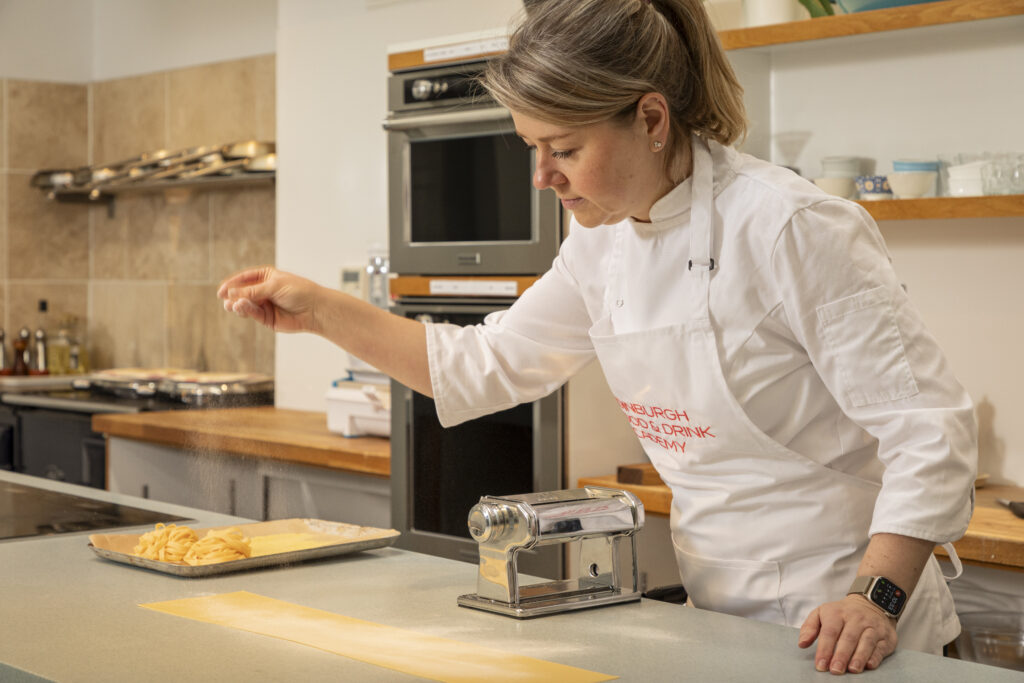
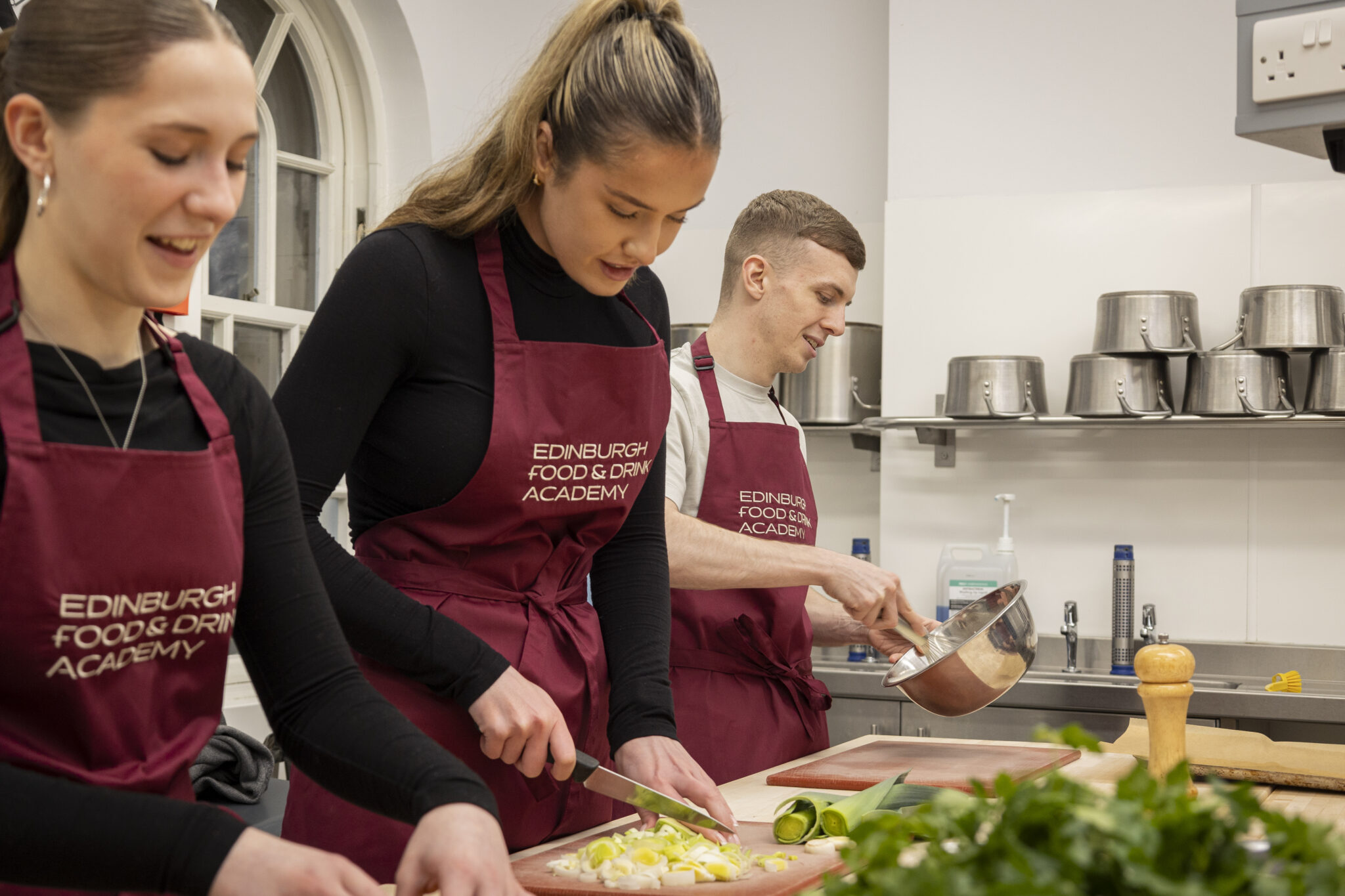
Edinburgh Food & Drink Academy’s one week Seasonal Chef Host Cookery Course is designed precisely for this. Based in Edinburgh’s New Town, it covers the full range of skills a chalet host needs: knife skills and kitchen fundamentals, menu planning and batch cooking, special diets and inclusive menus, breakfast service, dinner party hosting, and canapés. By day four, you’re cooking and serving a real dinner party, the kind of practical experience you can speak to confidently in an interview.
You’ll leave with two things that carry real weight on a chalet host application: the Level 2 Food Hygiene and Safety in Catering certificate, which many companies ask for at interview stage, and an EFDA Certificate in Seasonal Chef Host Cookery Skills from an established professional cookery school.
You even get a careers session to prepare you for applying for private chef work, including writing your CV, talking about your skills and answering common interview questions.
“The main reason I became a chef was so that I could travel with my career. From cooking steak and meringue in the South of France, to lobster in the Highlands of Scotland, and afternoon tea in the Alps, I’ve been pretty lucky so far.”
Georgie, Edinburgh Food & Drink Academy graduate
Hear more from Georgie (and follow our Instagram page) here.
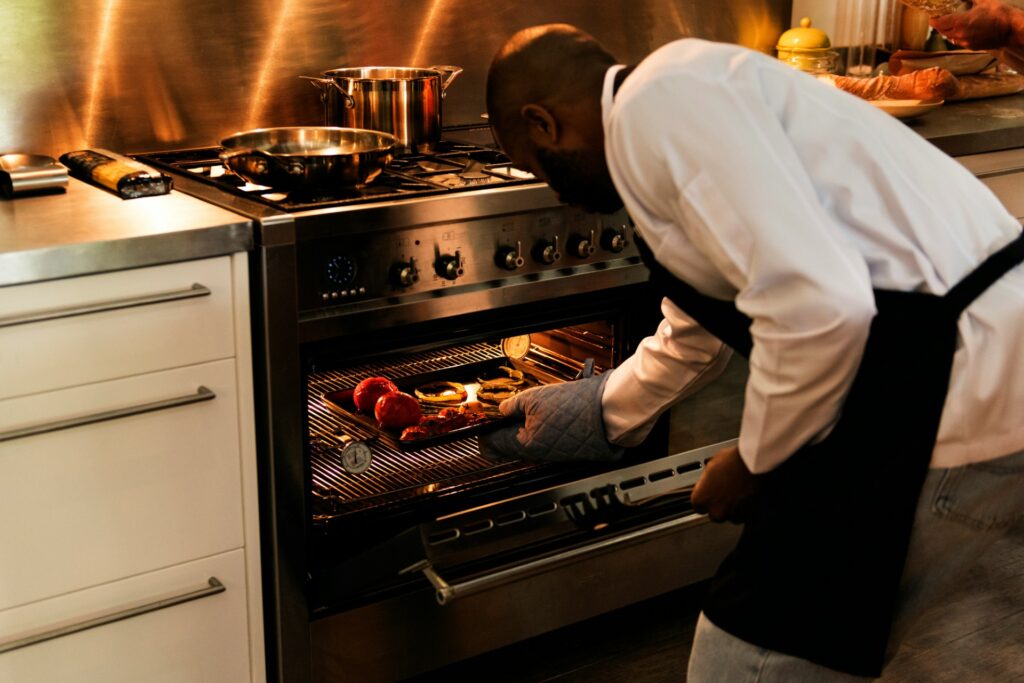
Summer 2026 courses start on July 20th and August 10th, so either date puts you in a strong position to apply with your certificate in hand, or confirm you’re completing the course before the season starts.
The course costs £995, runs Monday to Friday in the heart of Edinburgh, and includes all ingredients, equipment, and qualifications.
If a ski season is on your list for 2026/27, this is a practical, focused ski chalet cookery course to make sure your application stands out.