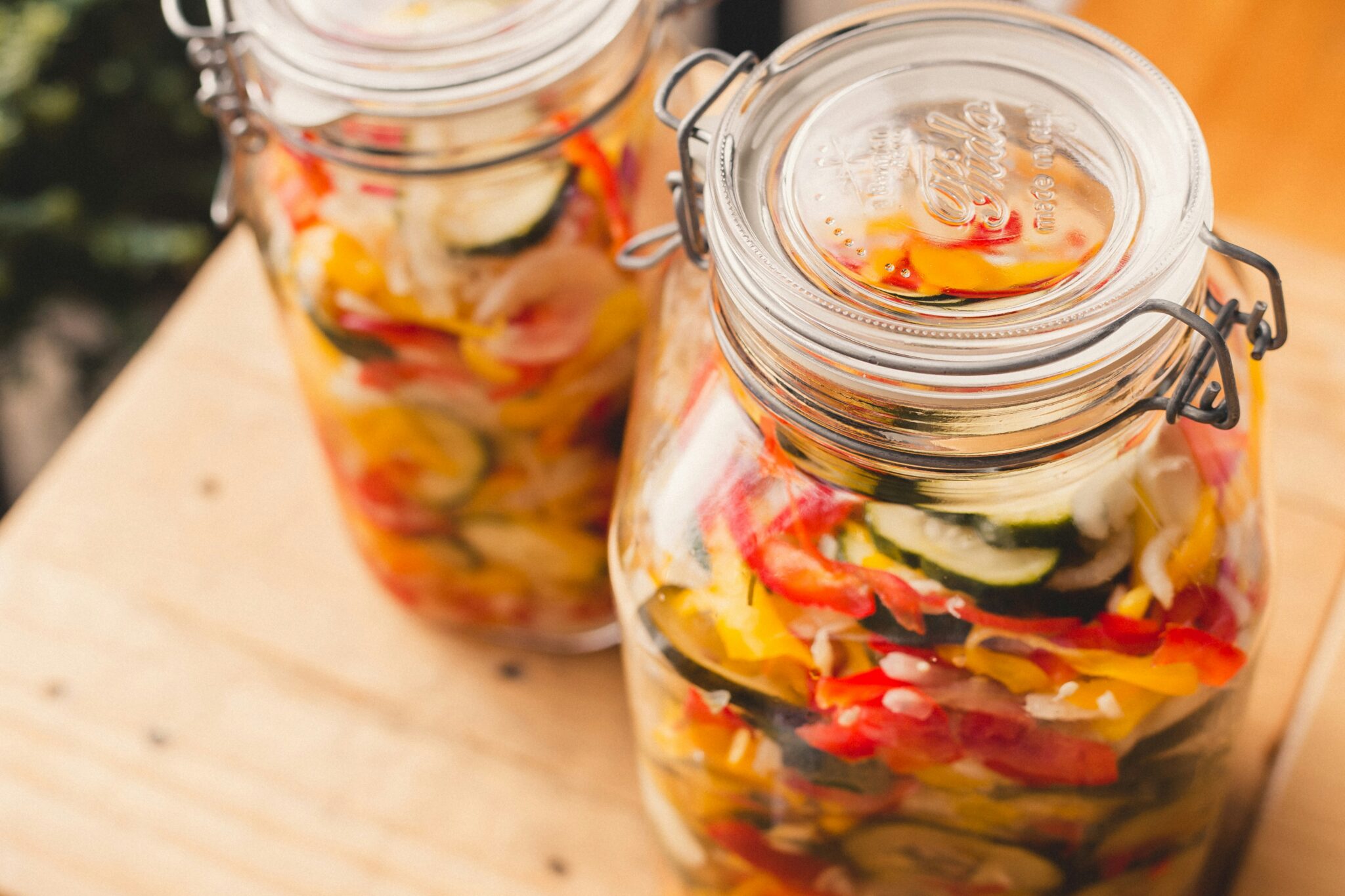
Have you noticed a revolution happening on kitchen counters and windowsills across the country? Jars of cabbage turning into sauerkraut, cauliflower florets bubbling gently in salty brine, vegetables transforming into tangy, complex, genuinely good for you bites. Fermenting and pickling are two of the oldest preservation methods we have, and they’re enjoying a well-deserved comeback. This has been driven by a growing appetite for big flavour, better gut health, and a more thoughtful, less wasteful way of cooking.
The best part? You don’t need specialist equipment or years of experience to get started. With a clean jar, some good salt, and a little patience, you can be making your own probiotic-rich foods at home this week. Here’s everything you need to know.
Pickling vs. fermenting: what's the difference?
These two terms both refer to methods of preserving foods, often vegetables, and get used interchangeably. But they actually describe quite different processes, and understanding the distinction is the key to getting started.
Pickling uses an acidic brine, usually vinegar, to elongate the shelf life of food and create that familiar sharp, tangy flavour. It’s quick, reliable, and gives you that classic pickle bite.
Fermenting, on the other hand, is a natural biological process. Beneficial bacteria convert the sugars in vegetables into acids, preserving the food while developing deep, layered flavours over time. No vinegar required.
Both preserve food beautifully, but there’s one crucial difference: only fermentation produces live cultures with active gut-health benefits. A quick-pickled cucumber is delicious; a fermented one is also teeming with beneficial bacteria.
Lacto-fermentation for beginners
If you’re new to fermenting, lacto-fermentation is the perfect place to begin. It’s one of the oldest and simplest preservation methods around, and it relies on nothing more than nature doing its work.
The process uses naturally occurring lactobacillus bacteria, which live on the surface of vegetables. When you submerge those vegetables in a salt brine, the bacteria get to work producing lactic acid. That acid preserves the food and develops those complex, mouthwatering tangy flavours, all with no vinegar, no heat, and no specialist kit needed. It really is that straightforward.
Tips and tricks for fermenting
A few small details make the difference between a thriving ferment and a disappointing one.
For pickling, always use sterilised jars and the freshest produce you can find. Freshness matters far more than people expect.
For fermenting, salt quality is everything. Avoid iodised salt or any salt containing anti-caking agents as both can inhibit bacterial growth and affect the quality of your ferment. Reach for sea salt, pickling salt, or kosher salt instead.
Keep your vegetables fully submerged below the brine at all times; anything poking above the surface is an invitation for mould. A small pickling weight does the job nicely. And start tasting after a few days. Fermentation is a matter of personal taste, so let your own palate decide when it’s ready.
One more thing worth knowing: a healthy ferment smells pleasantly sour and tangy. If you ever encounter fuzzy mould, slimy textures, or rotten smells, trust your instincts and start again. A little cloudiness in the brine or a fizzy hiss when you open the jar is completely normal.
The gut-health benefits
Beyond the flavour, fermented vegetables are something of a nutritional powerhouse. They’re rich in live probiotic bacteria that support a healthy, diverse gut microbiome, and a happy gut has ripple effects throughout the body.
Regular consumption has been linked to improved digestion, reduced bloating, and a strengthened immune system. The fermentation process can even increase the bioavailability of certain nutrients, meaning your body is better able to absorb all the goodness from your food.
Some of the easiest probiotic-rich foods to make at home include sauerkraut, kimchi, and naturally fermented pickles. Homemade versions tend to contain a far wider variety of live cultures than shop-bought equivalents, which are often pasteurised, a process that, while extending shelf life, kills off the very bacteria you’re after.
Ready to try it? Lacto-Fermented Mixed Pickles
This is the ideal first ferment: forgiving, endlessly adaptable, and ready in a matter of days.
Ingredients
- 25g sea salt, pickling salt or kosher salt
- 475ml water
- 75g small cauliflower florets
- 75g carrot chunks or slices
- 75g red onion, sliced
- 1 clove garlic, peeled and smashed
- 1 bay leaf
- ¼ tsp coriander seeds
- ⅛ tsp black peppercorns
Method
- Combine the salt and water in a measuring jug and stir until dissolved. You can heat the water first to help the salt dissolve, but let it return to room temperature before continuing.
- Place the chopped vegetables, garlic, bay leaf, coriander seeds and peppercorns in a very clean 1-litre jar. Pour the brine over the vegetables, leaving at least 2.5cm of headspace at the top. Top up with water if needed to cover everything. A small pickling weight will help hold the veg below the brine.
- Cover the jar tightly and leave at room temperature. About once a day, open the jar to taste the pickles and release the gases produced during fermentation.
- When the pickles taste just right to you, transfer the jar to the fridge. Cold storage largely halts fermentation, though they’ll continue to develop very slowly.
Make it your own: Almost any vegetable combination works, so use this recipe as a template. Just be sure to use whole spices rather than ground ones, which will cloud your brine. Mustard seeds, dill seeds, juniper berries, red chilli flakes, or fresh additions like dill sprigs, horseradish, ginger or thyme all bring wonderful variety.
Take your skills further
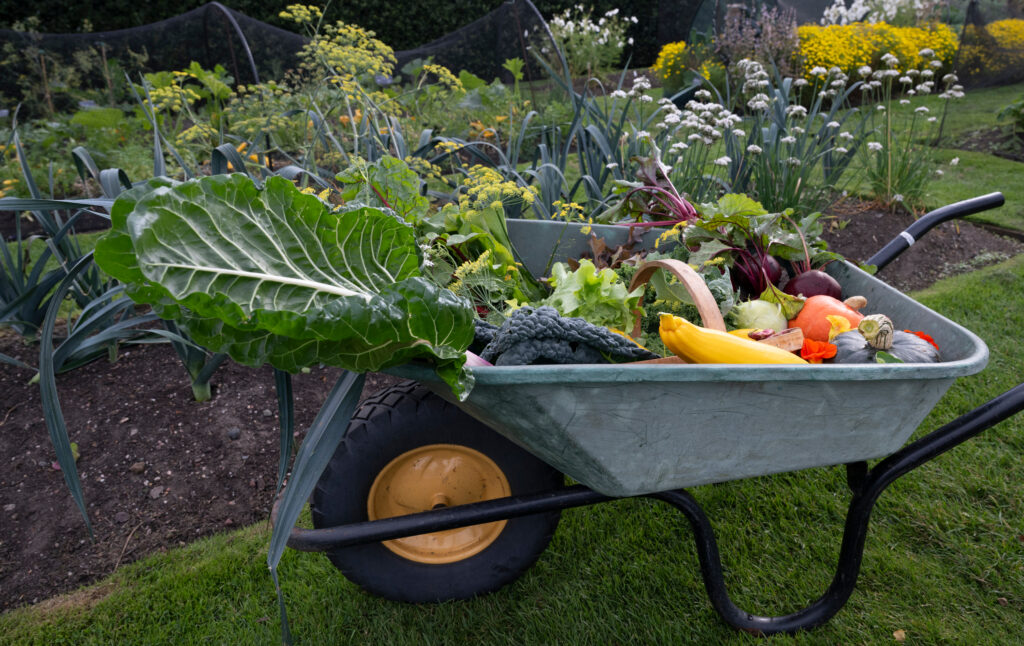
Fermenting is one of those skills that rewards curiosity. Once you’ve made your first jar, you’ll want to try everything. If you’d like to learn hands-on, there’s no better place to start than in the garden itself.
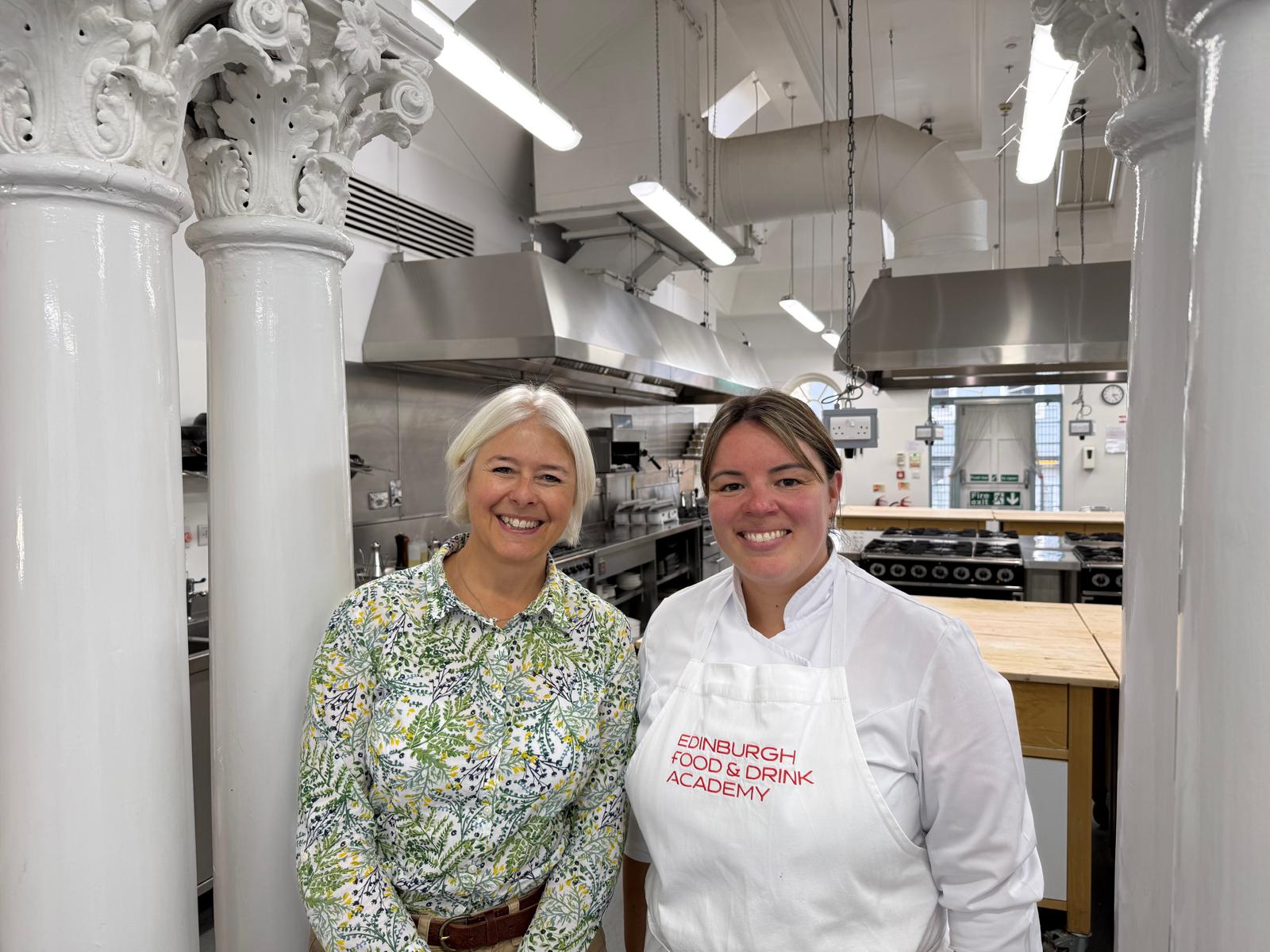
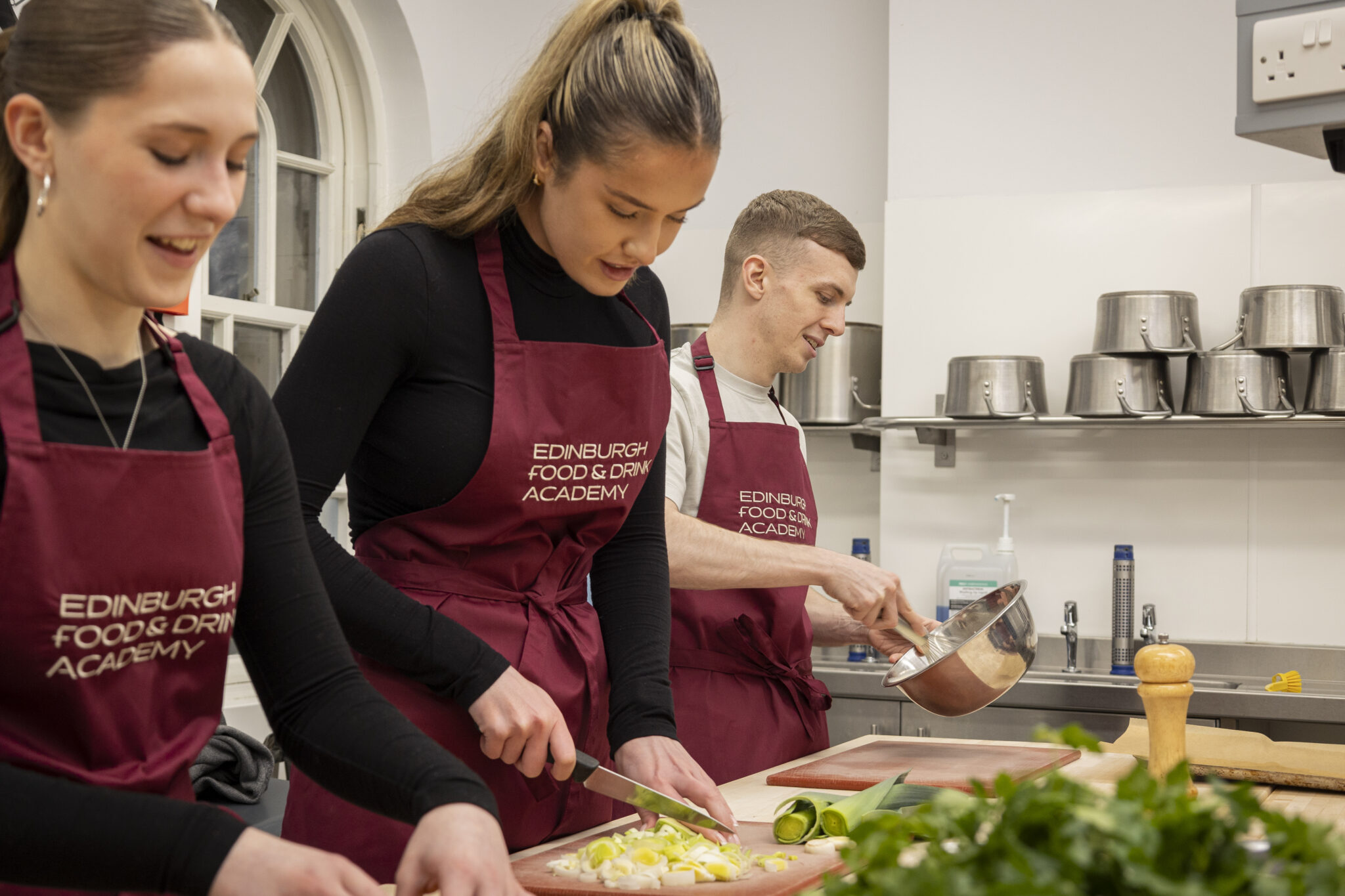
We’ve teamed up with the Royal Botanic Garden Edinburgh for our Fermenting & Pickling: Kitchen Garden Series, part of the Botanics’ Gardener & Chef programme. You’ll be guided through the Botanics’ own Kitchen Garden by a garden expert to discover what’s in season and how to grow and live more sustainably, followed by a 90-minute fermenting and pickling demonstration led by one of our skilled cookery teachers, with tasty treats to enjoy along the way. It’s a relaxed, 3.5-hour day that takes you from soil to jar.
Classes run on 11th July, 8th August and 5th September 2026 (£126, with a discounted rate for RBGE members). Find out more and book your place here.