Written by Lucinda Brice-Gardyne, CEO and Principal
For thousands of years, what we eat has been shaped by factors such as religion, culture, wealth, poverty, geography and climate. Today, our food choices are influenced by additional constraints, including our ability, confidence and willingness to cook from scratch.
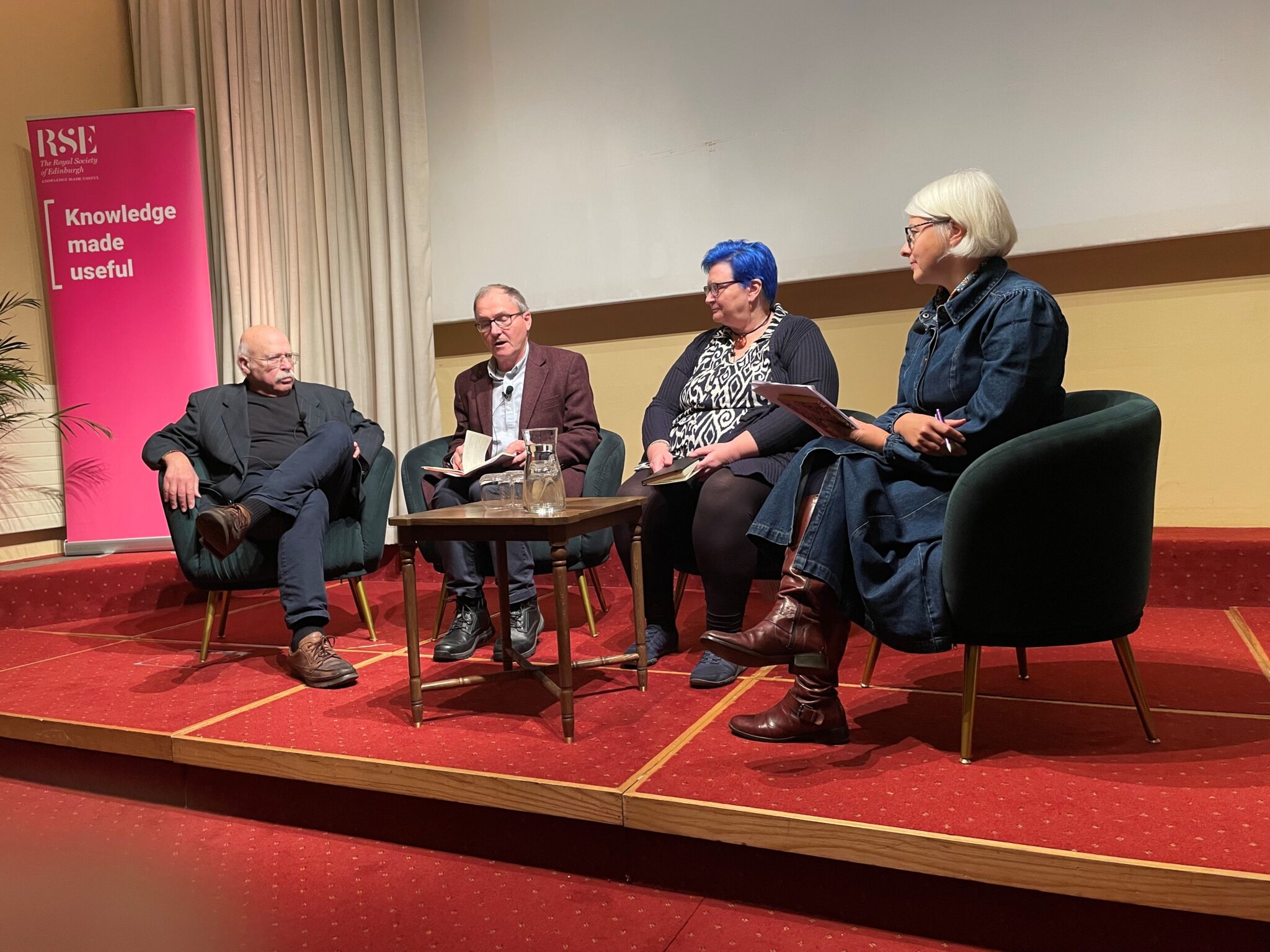
I recently had the pleasure of joining Professor Steven Shapin, Professor Sir Ian Boyd and Professor Rachel Norman at the Royal Society of Edinburgh for a fascinating discussion about what really drives our food choices in an age of abundant fresh food, fast food and convenience. It was a thought-provoking evening that reinforced just how much our relationship with food is influenced by the world around us, and how important cooking skills are in helping us navigate it.
The role of cooking in our relationship with food
The answer to why we eat the food we do is far from simple. Culture, affordability, lifestyle, allergies, health, consumer trends and family habits all play their part. But our ability to cook gives us greater flexibility in how we respond to these influences. Without fundamental cooking skills, we lose more than the ability to prepare a meal. We become increasingly reliant on a narrower range of ingredients and ready-prepared foods, and risk losing the nutritional, social and emotional benefits of preparing and sharing freshly cooked food.
YouGov estimates that only around 40% of the UK population cook from scratch most of the time. There is a real opportunity to transform our nation’s relationship with food, improving health while building resilience against the growing pressures of climate change, rising costs and global supply chain disruption.
Cooking is not simply a domestic skill. It is a life, health and performance skill.
Why cooking skills matter
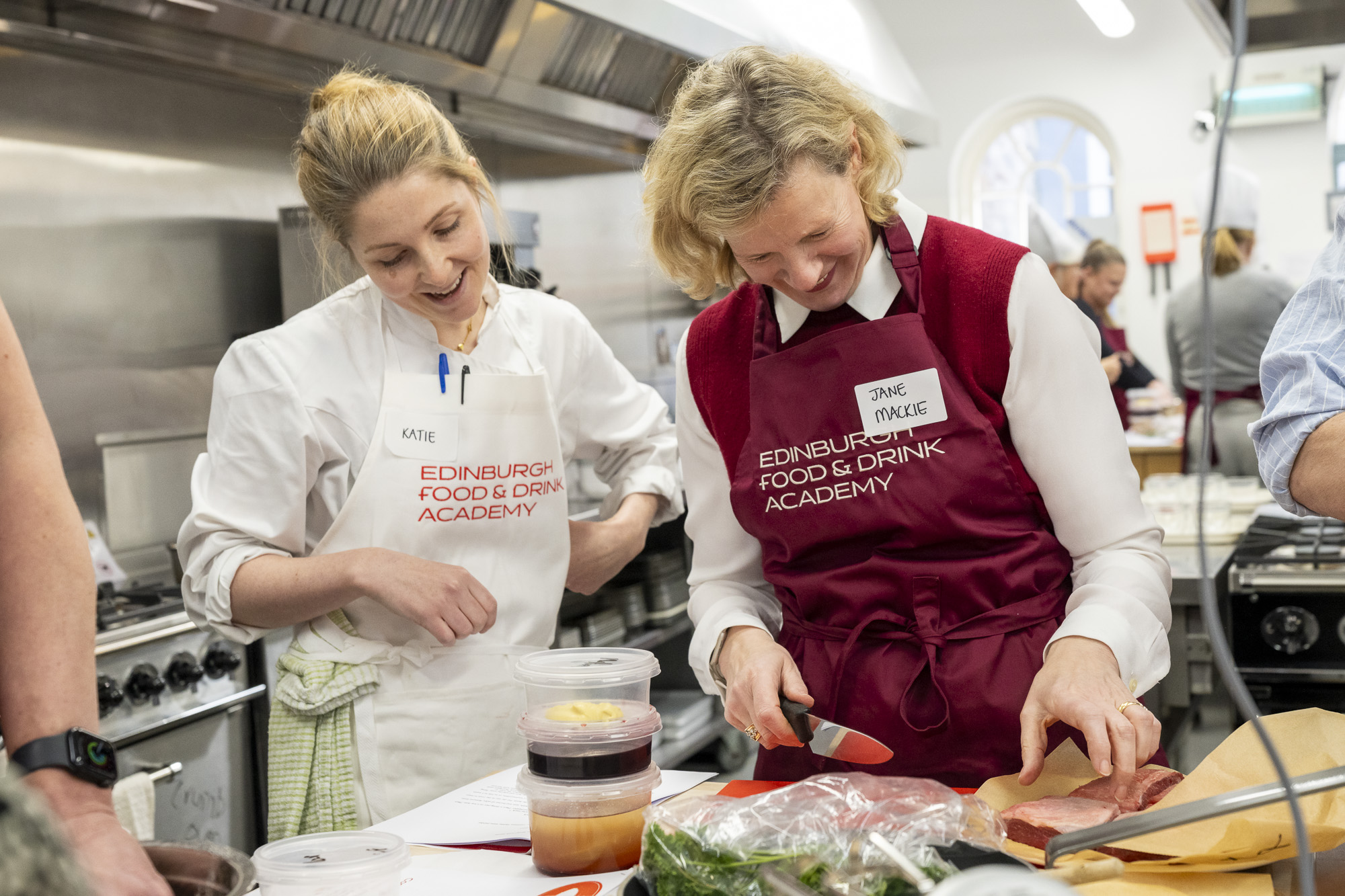
At Edinburgh Food & Drink Academy (EFDA), we believe that learning to cook confidently unlocks far-reaching benefits. These include better physical and mental wellbeing, improved nutrition and healthier lives, stronger family and community connections, opportunities for fulfilling careers in hospitality and the wider food industry, and even food security. My own career has taken me across food education, entrepreneurship and innovation, and has reinforced my belief that food can improve lives, bring people together and create healthier, happier communities.
Imagine if every young person left school knowing how to grow, prepare and cook seasonal fruit and vegetables? Imagine if learning to cook – a vital life skill – was valued equally alongside learning to count, read and write. These are important questions to consider when thinking about the future of food and the skills people need to make informed choices about what they eat.
Bringing cooking skills to the next generation
At EFDA, we are proud to welcome pupils from four schools into our kitchens every week. These sessions give young people the opportunity to discover ingredients, develop practical skills and experience the satisfaction and joy of cooking for themselves. It’s exciting to be involved in work that helps young people build their confidence in the kitchen and develop a relationship with food that can benefit them throughout their lives. We can’t wait to welcome our enthusiastic young cooks back into our kitchens after half term!
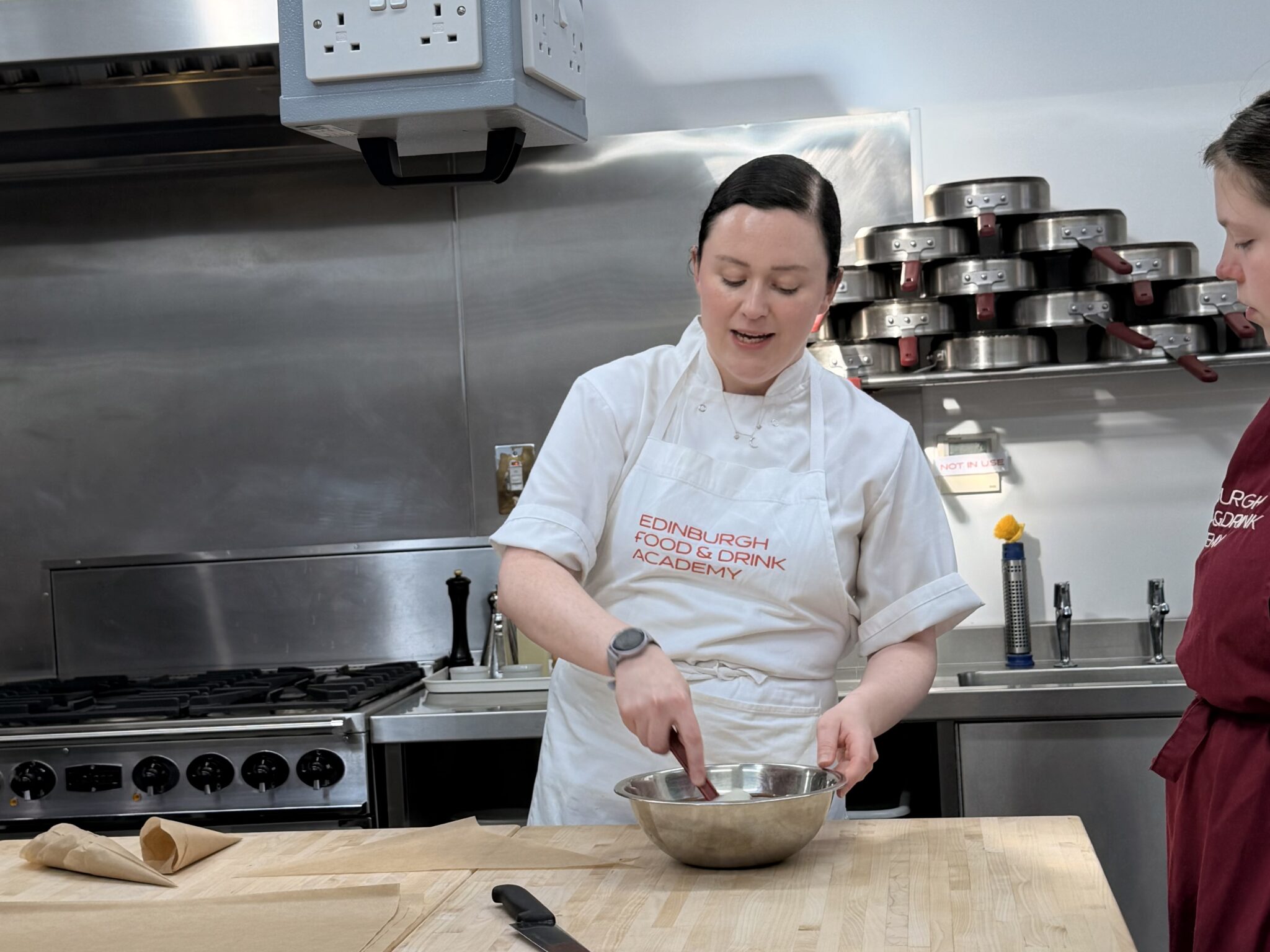
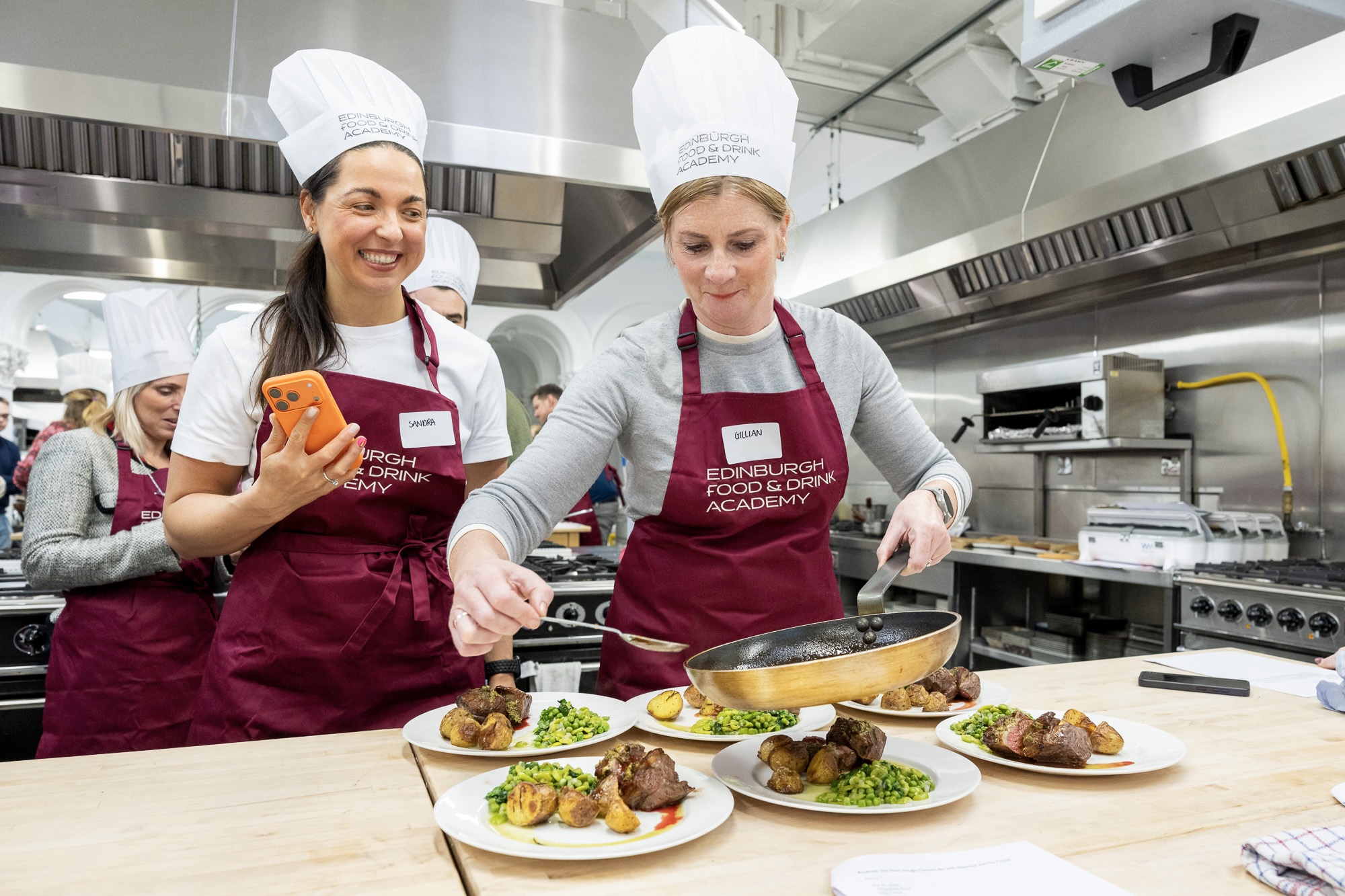
This work is an important part of our wider vision at EFDA: to inspire and upskill the next generation of chefs and food entrepreneurs, champion Scotland’s exceptional produce and producers, and enable people of all ages to discover the joy, creativity and health benefits of cooking from scratch and eating together. Alongside our work with young people, we offer cookery courses for curious cooks and ambitious food professionals, helping people develop their skills, confidence and knowledge in the kitchen.
I left the discussion at the Royal Society of Edinburgh feeling pleased to have contributed to such an important conversation. The more we recognise the ability to cook from scratch as an essential life skill, the greater the opportunity we have to build a healthier, more confident and resilient relationship with food.